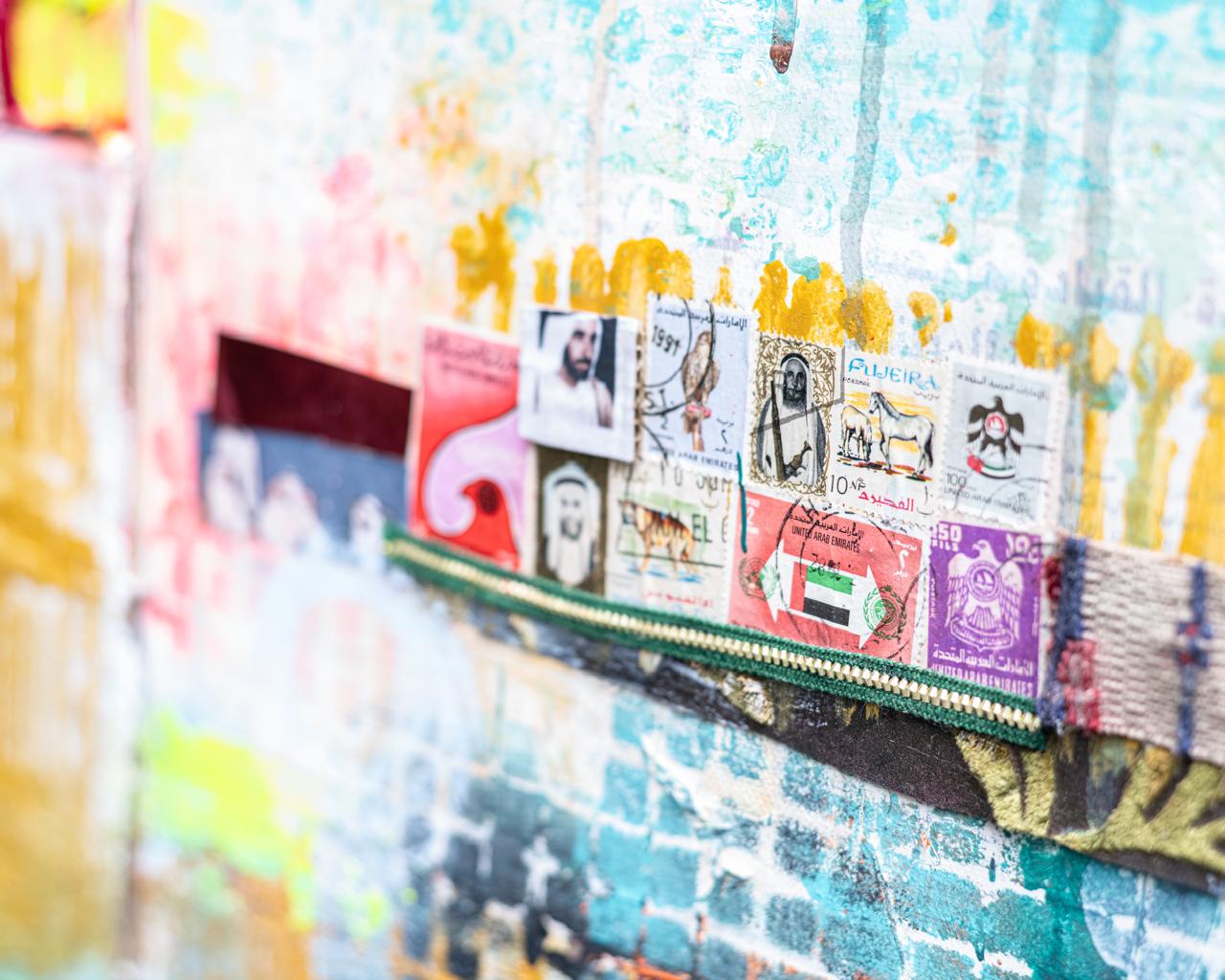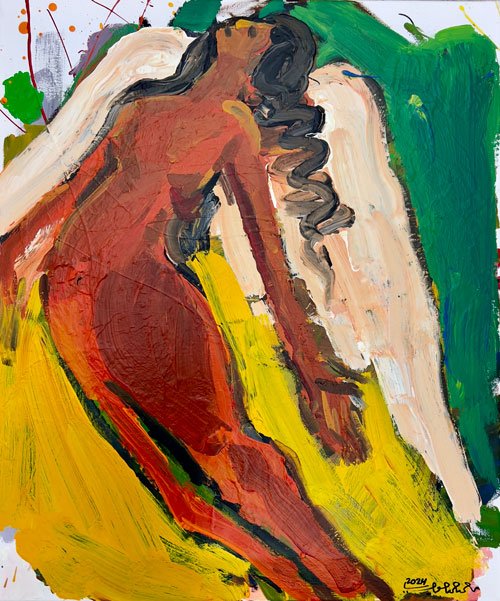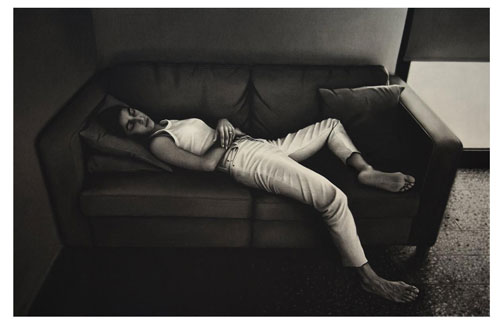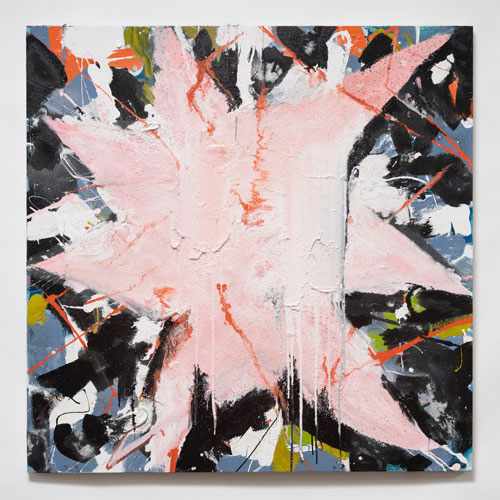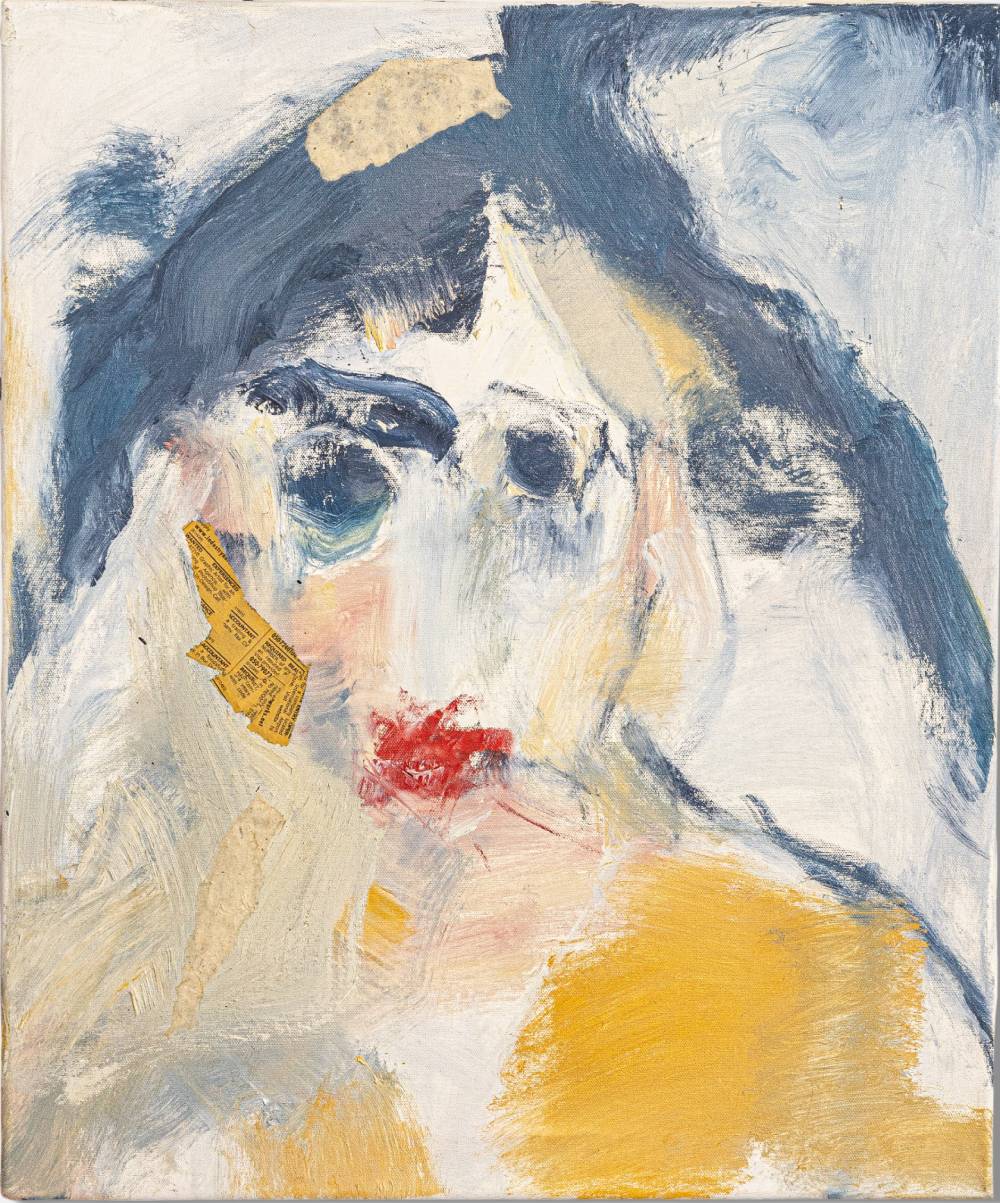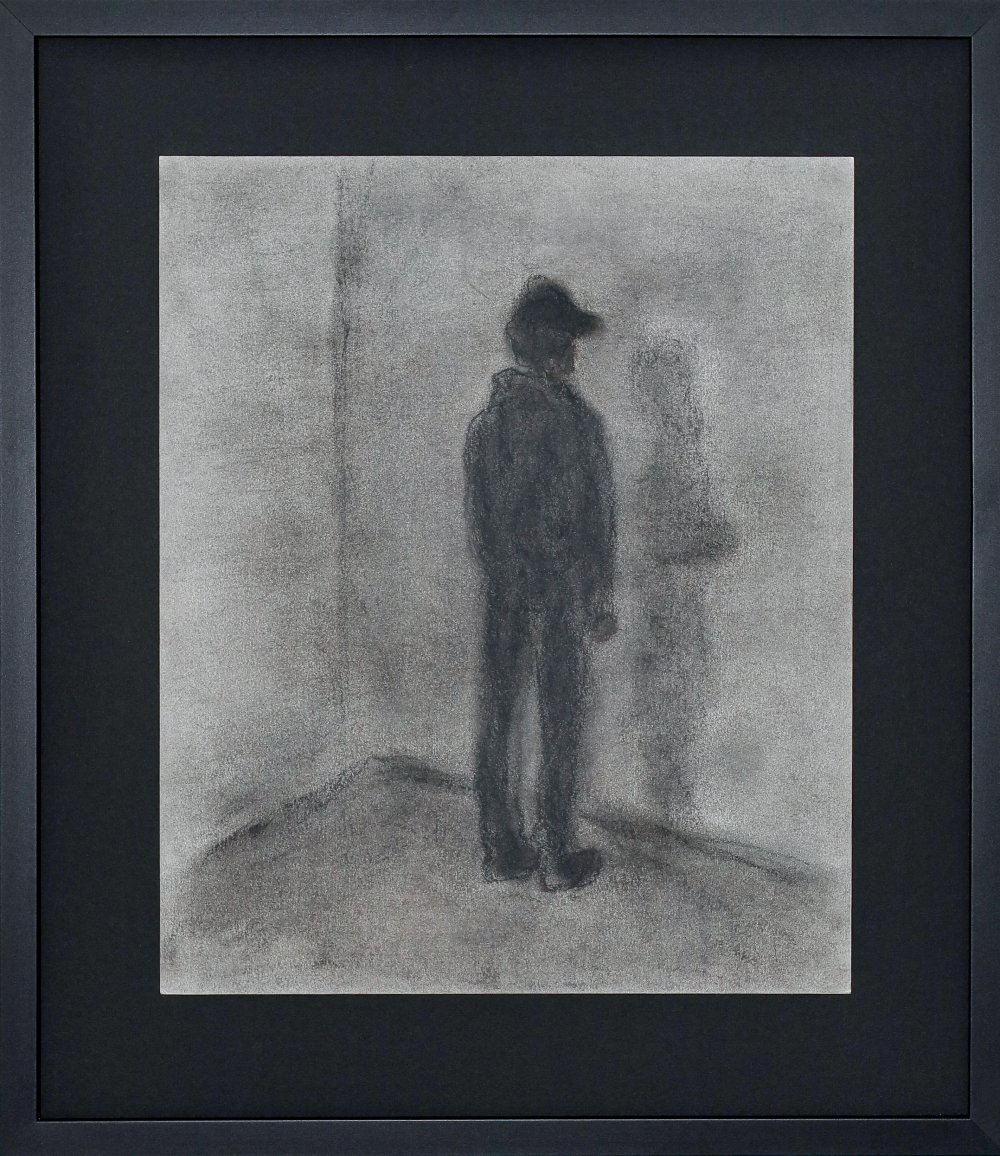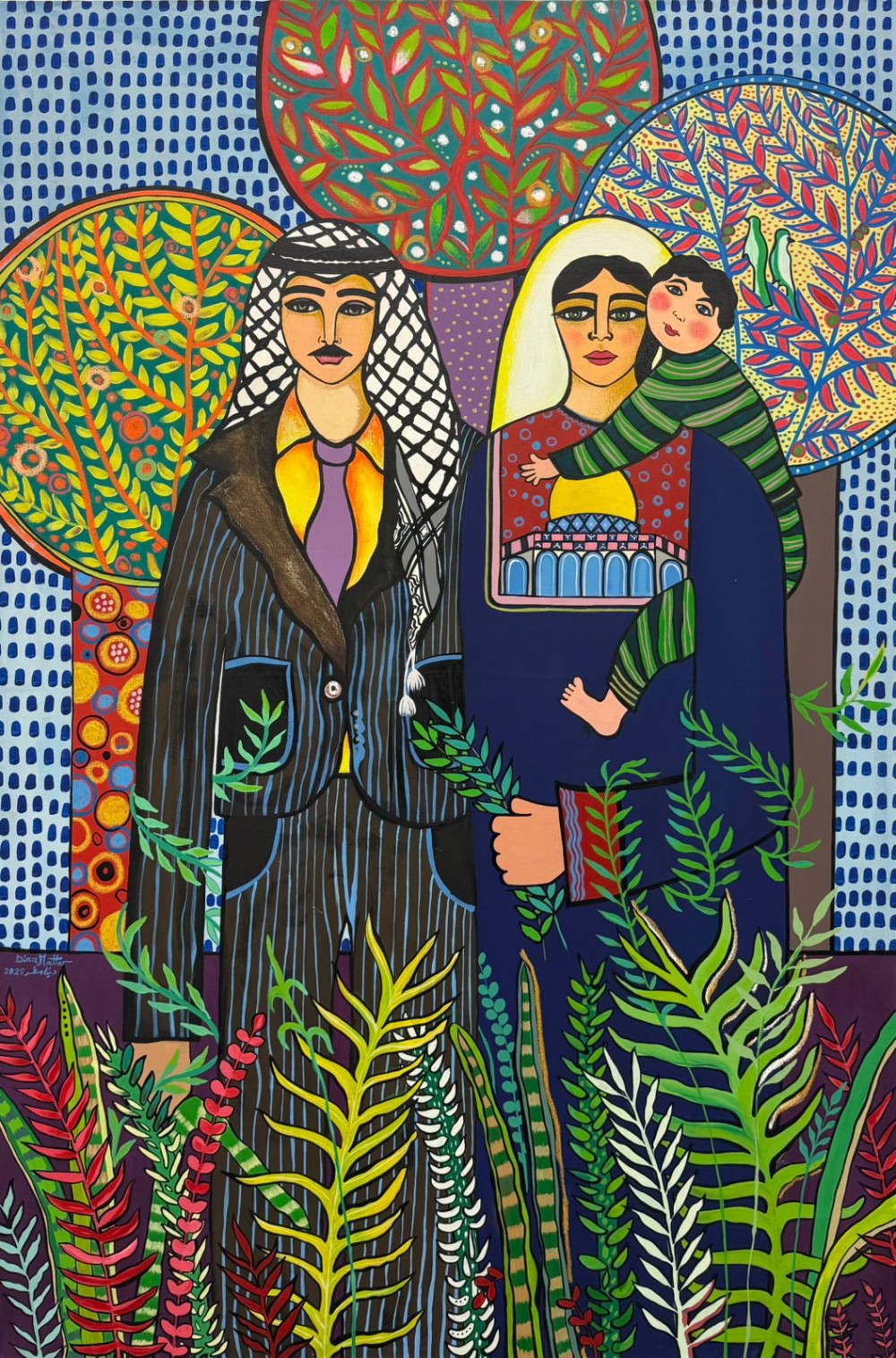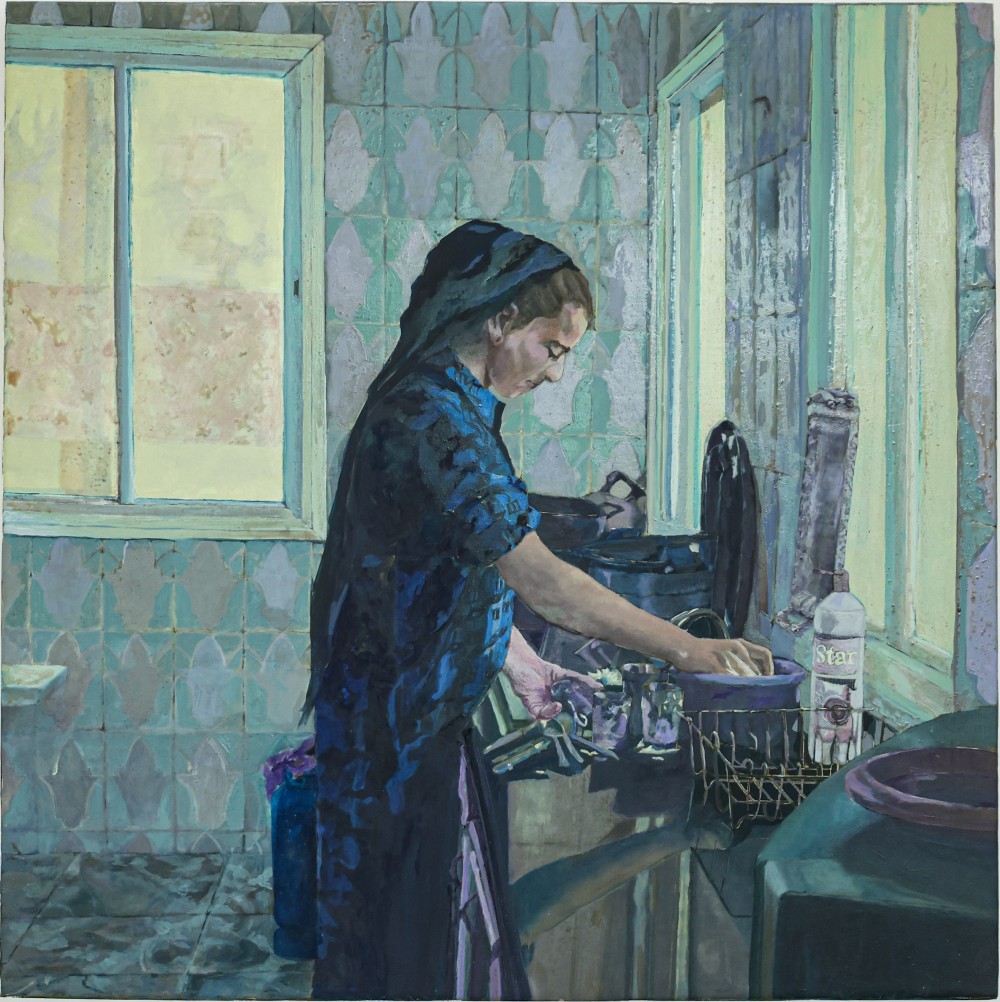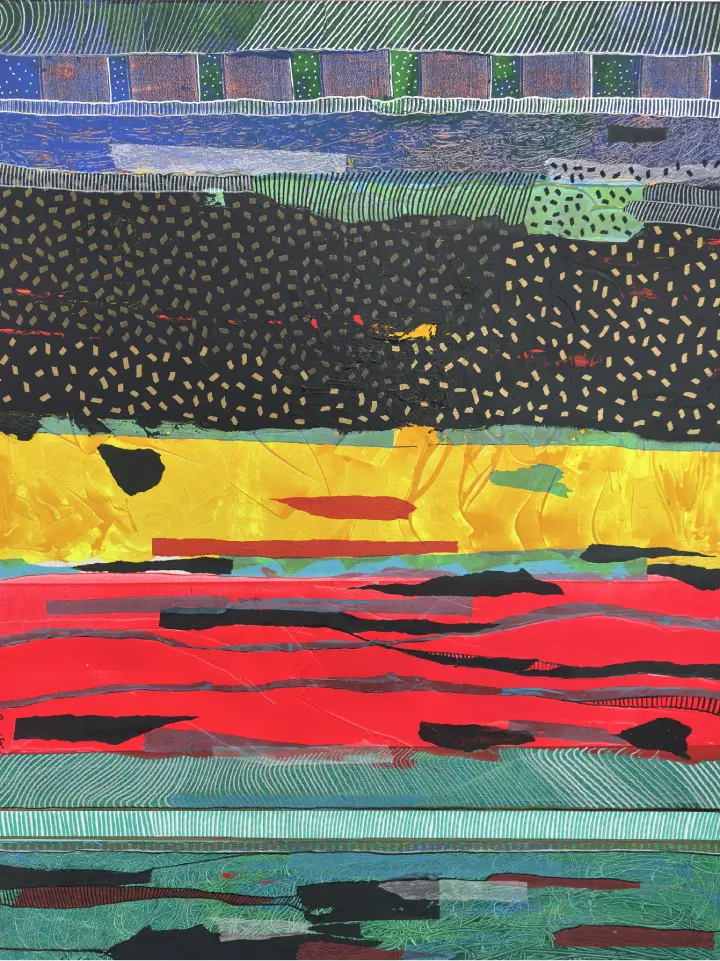
A selection of works by artist Inass Yassin, produced across different stages of her study on the aesthetics of the celebratory scene in village portraiture—a design language and rural visual sensibility drawn from 1980s wedding albums.
Yassin traces representations of the Palestinian countryside, developing a visual language for portrait painting that takes the wedding scenography of the 1980s as the structural foundation of the work, proposing a portrait language rooted in the unrepresented and absent realm of popular photography.
These works are the result of years of research, inquiry, and conversations with local residents about the content of the images and the methods used to design the portrait backdrops, alongside an investigation into the fate of these photographs in the present moment.
“The works are grounded in field research based on collecting family wedding albums from the 1980s, sourced from the homes of friends and neighbours in the village of Asira—scenes of celebration that I myself witnessed and experienced in my childhood.”
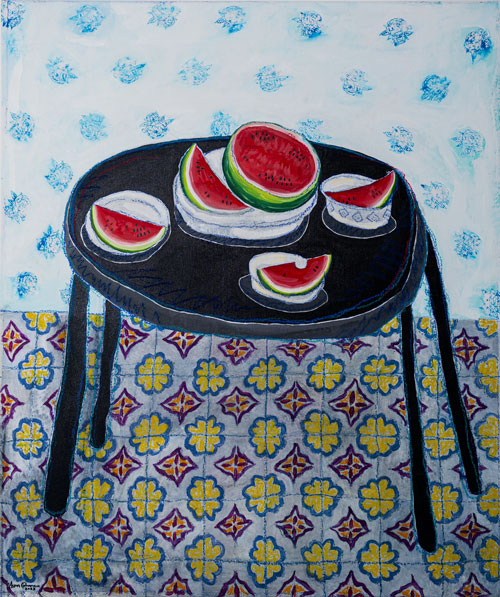
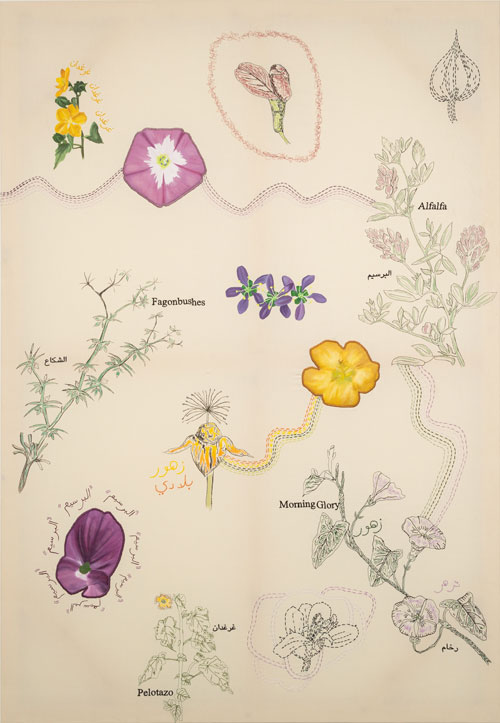
This visual memory is charged with vibrant, joyful compositions: living rooms or home gardens filled with colour, woven textiles, carpets, paper decorations, flowers, fruit, horses, and drums that stirred excitement in the hearts of children.
The visual symbols of the Palestinian countryside at the time appeared through dense color palettes, varied textures, and motifs of growth and fertility. This is evident in the heavily patterned curtains, embroidered cloths, and decorative hangings that were arranged by hand
in the celebration room to create a lively, theatrical backdrop—the same mise-en-scène that shaped the visual space of most rural photo albums of that era.
Yassin constructs a painterly language based on the intentional production of the portrait and its specific backdrop as a way to situate this language within the broader field of image-making. Here, the painted portrait merges with the ornate theatrical setting behind it—a uniquely rural Palestinian visual synthesis of the 1980s, a cultural aesthetic that once flourished with color and sound before gradually fading from view.